
If you want to write fiction or non-fiction based around the court of Henry VIII or of Queen Victoria, you’ll have plenty of sources to draw on. Researching working class lives is more challenging. That doesn’t mean we shouldn’t do it, argues Esther Freeman.
When writing my book – Great Women of London – one of the worst pieces of advice I got was from a manuscript consultant. It was so bad it was almost funny.
I had sent her my book proposal and sample chapters, to get professional feedback before starting the querying process. My aim was to tell stories of women-led activism that went beyond the suffragettes and other usual suspects. I wanted to shine a light on hidden histories, especially working class women, whose contributions to society get overlooked.

The consultant came back and said the stories needed fleshing out. She suggested I go to an archive (which she named but does not actually exist) and look for their letters and diaries. I wondered when she thought women working 12- to 14-hour days in factories found the time to write diaries. Let alone the fact that, before 1870, an awful lot of them were illiterate.
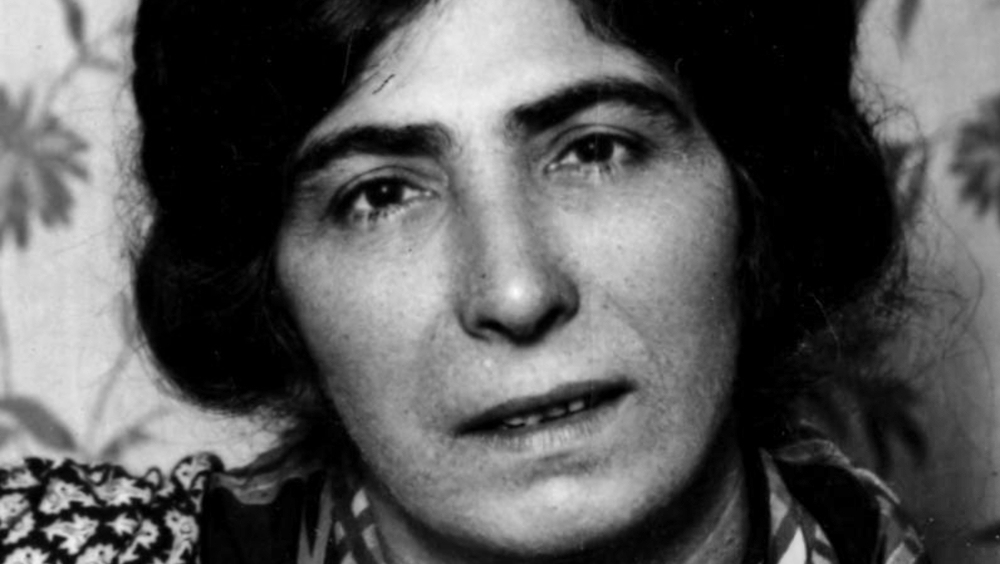
Even the writings of those like Milly Witkop, a Ukrainian Jewish refugee who worked in a sweatshop before becoming a journalist, can’t be found in places like the National Archives. She isn’t considered notable enough for inclusion.
Despite the poor advice, I had to admit, at its core, she had a point. The biographies I’d included were a little thin. Around the same time as I was putting this proposal together, Hallie Rubenhold’s The Five: The Untold Lives of the Women Killed by Jack the Ripper came out. One of the things I admired about this book was how well rounded each of the women’s stories were. They had full lives, with highs and lows, happiness and grief. I knew this was what my book needed too. But how on earth to go about finding those details?
There is no easy answer to this question – our archives and libraries are deeply biased towards the lives of men. When women are included, they are mostly white and elite. Yet I did find workarounds. Here are some of them.
Grassroots and specialist archives
Early on in my research I realised that the National Archives would be useless. I did spend a lot of time in the Bishopsgate Institute though. According to their head archivist, Stefan Dickers, they take “any old shit”. While some of their collections may raise an eyebrow (they hold the largest Leatherman collection in the UK) in the right hands these artefacts can bring to life parts of history previously unseen.
While going through some of their feminist magazine collections, I found an eye-opening interview with one of Sylvia Pankhurst’s former secretaries. I also found an essay by Anny Brackx, a founder member of the Gay Liberation Front, who ended up being the focus of an entire chapter of my book.
Oral histories
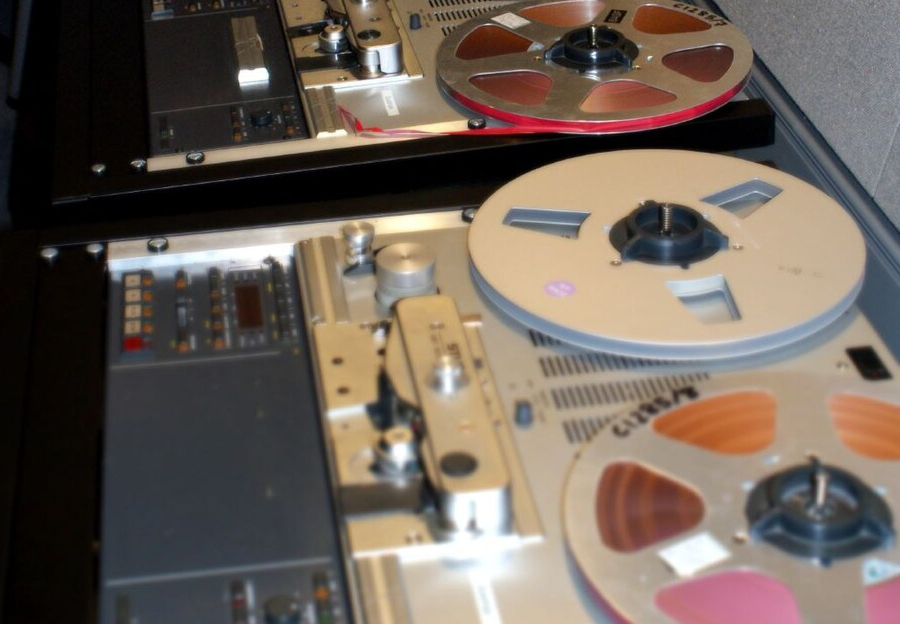
Oral history has been around for centuries, but gained increasing popularity in the 1960s. It was seen as a move away from history written by the elite, to a focus on the grassroots. The British Library’s Sound Archive has the largest collection of oral histories.
.png)
I’ve also trained with the Oral History Society so I can conduct oral history interviews myself. I interviewed Beattie Orwell, who was at the Battle of Cable Street in 1936. If the people you want to interview are no longer with us, you can track down their living relatives. Unless the death is recent, I find people get a lot from sharing memories of their loved ones.
Again, some of the specialist archives are useful if trying to find working class voices. In the Women’s Library I found a recording with Jessie Stephenson, who started her adult life in domestic service, before becoming a trade unionist and later a local councillor. She was at the infamous ‘Black Friday’ suffragette protest, and gave an extraordinary testimony of the police violence she experienced.
Self-published books
People can be sniffy about self publishing, but I found some of these books the most useful. I was struggling to find anything on the previously mentioned Milly Witkop, until I stumbled upon a book written by her life partner, Rudolph Rocker, long out of print. I tracked down a copy in the British Library.
I wondered what the faded, dusty manuscript the librarian brought out would serve up. I couldn’t have been more pleased. Written after Milly’s death, it was a 100-page love letter. The outpouring of emotions, and delightful character detail, was exactly what I’d been looking for. It also included information about her activism missing from more formal documents.

Assumption and speculation
When you have been through all the archives and libraries, and still found nothing, sometimes a bit of speculation or assumption is needed. It can be particularly useful when writing working-class characters into historical fiction.
I recently wrote a short story set in a telephone exchange in the 1920s. Nobody made any attempt to document these women’s lives before the 1960s. So I started by looking at those artefacts, then combined it with details I knew about women’s lives in 1920s more generally. From there I was able to create well-rounded characters for my story.
It’s not easy to research working-class lives for either fiction or non-fiction, but we must try. There’s the moral argument – working class people deserve to be more than background characters in our books. There is also a commercial argument – you will expand your audience. People like to read about people like them. It was fascinating for me to learn about Milly Witkop, who made the same perilous journey to Britain as my great-grandparents. That connection with our lives today makes it a story worth telling.
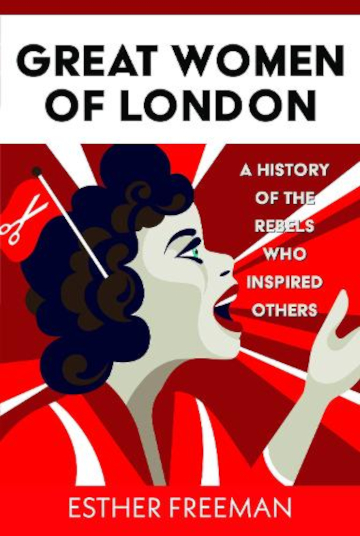
Great Women of London by Esther Freeman was published on 30 April, 2026.
Esther is a social historian, writer, and activist. With a passion for uncovering untold stories, she’s spent 15 years researching the history of women activists. Since Great Women of London, her first non-fiction book, came out, she’s been researching her second, Kitchen Resistance, which will explore how women have used food as a political tool.
You my also be interested in these Historia features on similar topics:
Researching rural Devon in the 1920s and 1930s by Vanessa de Haan
Blitz Kids: celebrating the 80th anniversary of VE Day by Duncan Barrett
Serendipity: the historian’s secret weapon by Eric Lee
Why I started a podcast – and what I learnt and
In search of a Holocaust survivor’s past by Kate Thompson
At the National Archives in Kew, the past comes alive by Eric Lee
Damn’ Rebel Bitches: Research Then and Now by Maggie Craig
Jessie Eden: Working Class Hero by Catherine Hokin
The window-smashing suffragettes of 1912 by Jennifer Godfrey
Images:
- Milly Witkop, 1930s (cropped): Wikimedia (public domain)
- The Bishopsgate Institute by Paul the Archivist, 2017 (perspective adjusted, cropped): Wikimedia (CC BY-SA 4.0)
- Studer tape recorders in the British Library Sound Archive, 2009 (cropped): Andy Powell for Flickr (CC BY 2.0)
- Ada Wright lying on the ground during Black Friday, front page of the Daily Mirror, 19 November, 1910, by Victor Consolé: Archives of the Daily Mirror via Wikimedia (public domain)
- Group of Jewish anarchists in London: (back row, L–R) Ernst Simmerling, Rudolf Rocker, Wuppler, Lazar Sabelinsky, Loefler, (front row) Milly Witkop, Milly Sabel, 1912: Wikimedia (public domain)


