
What makes an author change the kind of books they write? Even when they’re well known and successful for the genre they’re writing in? Lizzie Lane, best known for her saga series, explains why she took a jump into the unknown with a new book set 2,000 years earlier, during the time of the Roman invasions of Britain.
A while back, I went to a talk given at the Bath Royal Literary and Scientific Institution. The subject was William Golding, whose daughter was being interviewed.
One statement she made stayed with me. When her father was asked what research he did before writing his book, he replied, none. “Fiction comes from the imagination.” That’s what he said.

It stuck in my mind when my imagination decided to go walkabout.
I’m a bestseller in the saga market, anything from the 19th century and encompassing the first 50 years of the 20th . But this niggle, this itch that ached to be scratched, this long finger reaching out from the past, would not be denied.
So where did it come from?
My husband (I remarried last May) had an interest in Iron Age forts. And Celts.
From that grew a purchasing spree in books about the ancient Britons, although the Celtic people lived all over Europe. Celtoi, as the Greeks called them.
The author of most of those books was Professor Alice Roberts, who we’d seen on TV. Celts and more Celts. And Romans. Plus, druids of course — in the ancient sense, not those wearing long robes gazing into the Midsummer Day sunrise. Male and female druids, warrior druids and their religious beliefs. I had been unaware of their belief in reincarnation – thought it was just a Buddhist thing, to be quite honest.
Much as I tried to ignore it – after all I had a perfectly good contract with Boldwood Books for a specific genre, so why jump ship?
That saying again from William Golding. Fiction comes from the imagination. The world of the Celts had broken through the subject matter of my contracted works. It would not be ignored.
Unfortunately, my success in the saga genre was a barrier to me getting this work published. Well researched it might be, but it did not fit in with the subject matter I was known for. I offered it, but nobody snatched my hand off. It was like going back to the early years of writing and the rejections I was no longer used to.
At least on this occasion there was self-publishing, about which I knew nothing, but there you are – Year of the Lynx is out there.
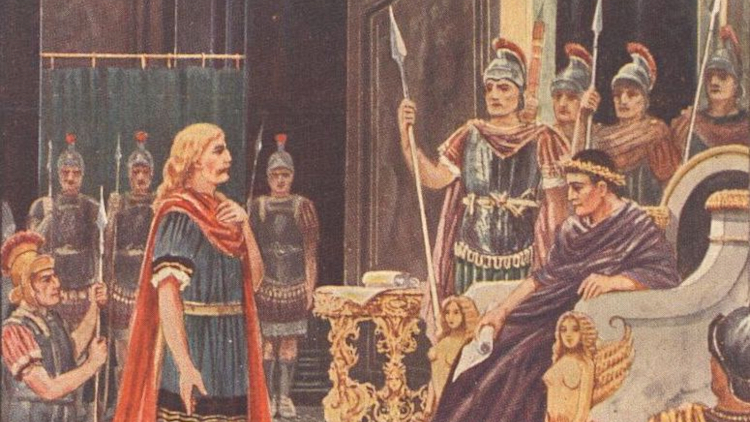
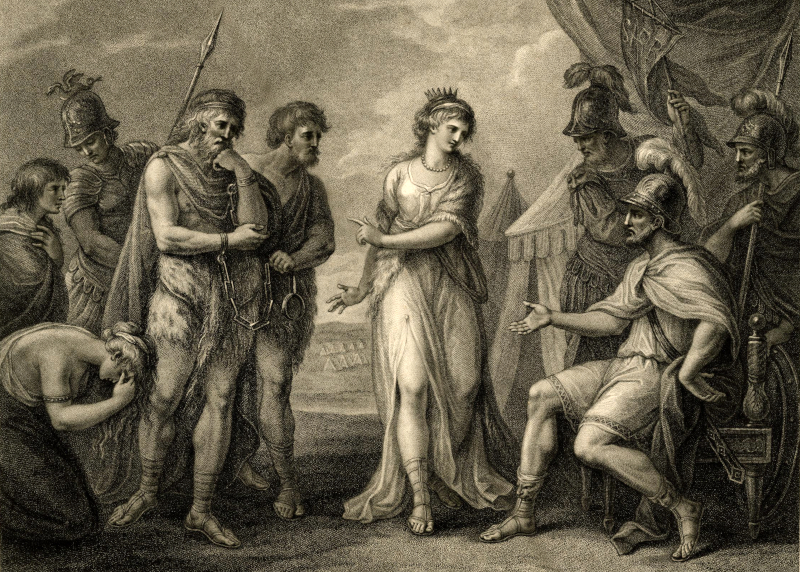
Year of the Lynx is the first of the Celtic Chronicles. The druid/warrior Morcant ends up advising the mighty Caradoc (Caratacus). In Year of the She Wolf, the second book of the trilogy, he’s in the orbit of Cartimandua. Not unlike Queen Elizabeth I, she’s inherited rule in her own right, and just like that queen, intends holding onto it.
Lastly, it’s Year of the Stag. Boudicca. The stag referred to is the white stag sent from the gods to bring a ruler to the Otherworld, the place to wait until it’s time to be reborn.
A bit like me, I suppose.
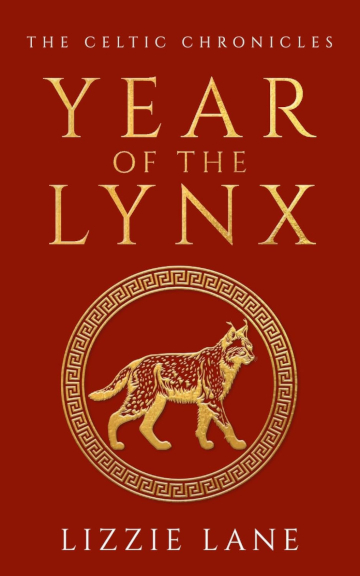
Year of the Lynx by Lizzie Lane was published on 17 February, 2026. It’s the first in her Celtic Chronicles series.
Her most recent saga instalment is Echoes of the Past at the Orchard Cottage Hospital, published on 1 May. Orphan of the Storm is out on 23 July, 2026.
Lizzie is the bestselling author of around 70 books. She also writes as Jean Moran, Jean G Goodhind and Erica Brown. A born-and-bred Bristolian, she now lives near Bath.
You may enjoy her other Historia features:
Homes for heroes: the council house revolution by Lizzie Lane
Watercolour research: a historical writer’s technique by Jean Moran
Review: The Name of the Rose: TV series by Jean Goodhind
And here are some related pieces in our magazine:
Agricola’s victories in Britain by Simon Turney
How Roman was Roman Britain? by Jacquie Rogers
Sagas: they’re not all trouble at t’mill by Jean Fullerton
Images:
- Caradoc Before the Roman Emperor from Flame Bearers of Welsh History by Arthur Owen Vaughan, 1905: Llyfrgell Genedlaethol Cymru – The National Library of Wales (public domain)
- Druids Inciting the Britons to Oppose the Landing of the Romans from Cassell’s History of England vol I, 1909: Wikimedia
- Caractacus, King of the Silures, deliver’d up to Ostorius, the Roman General, by Cartismandua, Queen of the Brigantes, print by Francesco Bartolozzi after William Hamilton, 1788 (slightly trimmed): © The Trustees of the British Museum (CC BY-NC-SA 4.0)


