
February, 2026 has given us the full Bronte with two retellings of Wuthering Heights. Kate Griffin, the author of several Gothic novels and lover of films set in the Victorian era, is the ideal person to review both the new film reimagining of Emily’s Bronte’s story and Essie Fox’s reframing in her novel, Catherine.
There’s an old saying about buses – you wait for ages and then two come along at once. This could easily apply to Wuthering Heights at the moment, with not one but two rather wonderful versions arriving together… although they are definitely not travelling on the same route.
Essie Fox’s Catherine is a richly revealing retelling of Emily’s Bronte’s torrid tale of doomed obsession, while Emerald Fennell’s film version – currently playing at a cinema near you – is a Technicolor fever dream conjured from her teenage response the novel.
They are both worthy of your time.
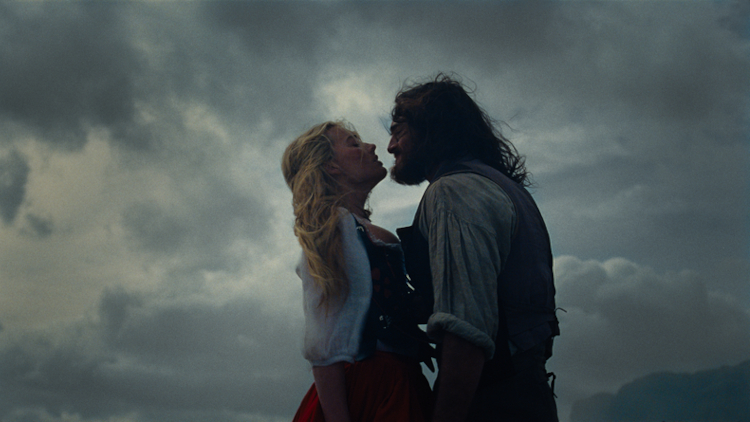
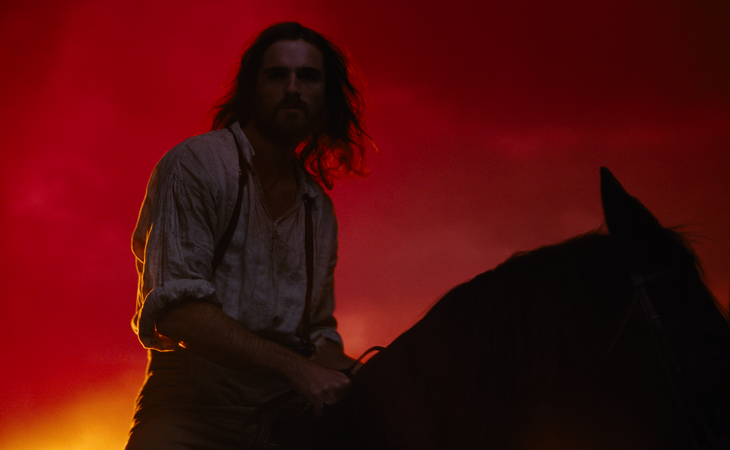
I’ll start with the film, which, to say the least, seems to have divided opinion. Yes, it’s true that Margot Robbie is too mature to play Catherine, although she does outstanding work in the heaving bodice department. Yes, Jacob Elordi’s Yorkshire accent wanders far and wide over the windy moors, just occasionally making contact with a ghost of authenticity.
And it’s true that Fennell skims lightly over the surface of the novel, picking jewels from the plot like a demented magpie attracted to sparkling trash. But that’s why I loved it.
“Wuthering Heights” – note the quotation marks there — is not meant to be a reverent adaptation of a classic; instead it is a wildly audacious and entirely subjective rendition of a novel that has inspired countless stage, film and TV versions, including Heathcliff, an unintentionally hilarious musical conceived by and starring Sir Cliff Richard.
Bronte purists have found much to despise in the new film and I think it’s probably fair to say that your response to Fennell’s vision depends on your feelings about the novel. While I like Wuthering Heights, I do not love it as so many do. Consequently, I did not feel that film violated a sacred space. In fact, I think it does something rather remarkable in making sense of the tortured teenage passions that thread through Emily’s story like the red ribbons Mr Earnshaw brings Catherine as a gift.
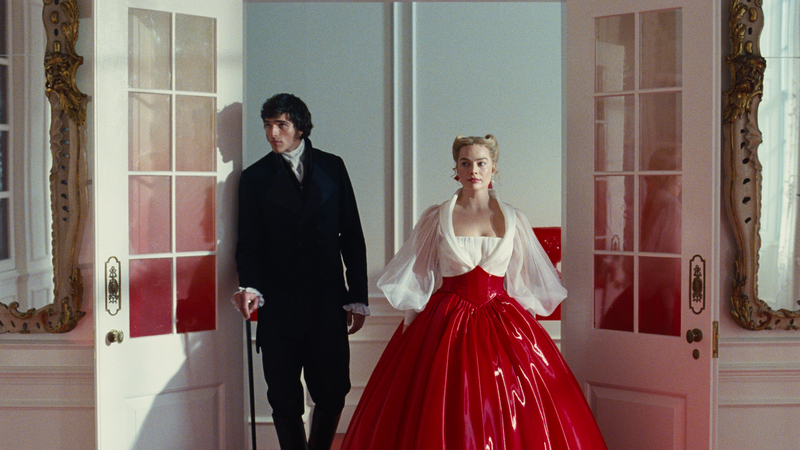
The film is flooded with colour – both in terms of the gorgeous, deliberately anachronistic sets and costumes, and the performances. It is an impression of the original; the vivid, passionate imprint left on Fennell’s mind when she first read the book at the age of 14. Mining those key memories, she makes some interesting plot decisions and excisions.
Here, Catherine’s father, played as a vicious, snaggle-toothed drunk by a brilliant Martin Clunes, replaces Hareton as the violent oppressor at the Heights. Nelly Dean, a mesmerisingly still and watchful Hong Chau, is Catherine’s companion rather than servant, and Fennell makes it clear that jealousy prompts Nelly to fatally undermine the couple’s future.
Most strikingly of all, Isabella – a stellar, scene-stealing performance by Alison Oliver – is a sado-masochistic Violet Elizabeth Bott, who ends up panting and chained in the fireplace at Wuthering Heights. Considering the source material, this is not such a leap. If you think Wuthering Heights is a love story, I must disagree. It is a novel of strangeness, obsession and violence, and this is what teenage Emerald Fennell took from the text and built her film around.
Visually it is stunning. The gradual disintegration and degradation of old, dismal Wuthering Heights is contrasted with the hard, glittering, new money surfaces of Thrushcross Grange. Free spirit Catherine is trapped in this gilded cage – a place where her husband Edgar (sweetly cuckolded Shazad Latif) even paints her bedroom in a revolting shade of Germolene pink matched to her skin, complete with freckles.
Fennell brings a fairytale quality to the look of the film which occasionally and deliberately echoes Cocteau’s La Belle et Le Bete (1946), although whether Catherine or Heathcliff is the true beast in both the film and its source is a matter for debate.
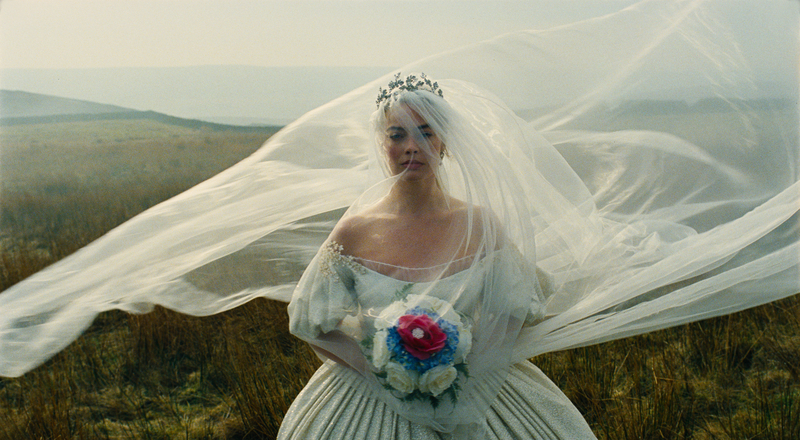
The costumes, which have been shredded online and in print for period infelicity, are part of this heightened, surreal approach. The scene where Catherine walks across the moors to Gimmerton church on the day of her wedding, her vast white veil pooling and rippling behind her like a lake, made me gasp out loud.
“Wuthering Heights” is not a perfect film. The last half hour is pretty much a montage of the doomed ‘lovers’ bonking in various beautifully rendered locations to the sound of Charli XCX… which becomes rather wearing. Frankly, it’s all too much, but isn’t that the point? Wuthering Heights is too much!
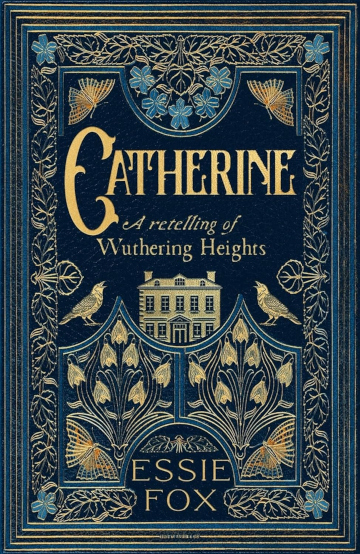
This is understood perfectly by Essie Fox in her subtle and beautiful retelling of the story from Catherine’s viewpoint. Where Fennell’s version leans into the teenage melodrama of the novel, Catherine is a reframing of the original written by an author whose deep love of the book and understanding of its place in the gothic canon shines a new light on a classic text.
Here, roused from her grave by the inconsolable Heathcliff, Catherine’s ghost recounts her story from childhood, and, as a watchful wraith, continues to observe the interconnected fortunes of the next generation.
This mature and sensitive response to Wuthering Heights skilfully navigates some of the obscurities of the novel without sacrificing its passion and otherworldly qualities.
Unlike the novel’s Nelly Dean, in Fox’s narrative Catherine is a reliable narrator allowing us to fully appreciate how her childhood bond with foundling Heathcliff develops into an obsession that ultimately devours their twinned souls.
Fox brings insight and a new depth to both characters. By creating a wholly appropriate and believable backstory for Heathcliff she ensures that the reader understands his dark otherness while fully acknowledging the gossamer whisper of incest alluded to but never exposed by Emily Bronte.
For a novel so indelibly (but erroneously) associated with love, it comes as a surprise to many readers of Wuthering Heights to find that Catherine and Heathcliff never, apparently, consummate their passion. In Catherine, they do, just once. Essie Fox says the unsayable, but with such care and sympathy for her characters that you feel certain Emily is guiding her.
Beautifully written and imagined, Catherine has a restraint that is notably lacking from Emerald Fennell’s vision, and unlike the film, which ends – like so many other screen versions – at the mid-point of the story, Essie Fox continues the tale to the next generation– which is vital, because Wuthering Heights is a tale of salvation. The terrible mistakes and sins committed by one generation are ultimately redeemed by the next.
If you love Wuthering Heights, read Catherine. You will not feel that the original has been desecrated but rather that something missing has been added.
Finally, when I saw the film at the cinema, it was preceded by a trailer for the new rendition of Pride and Prejudice. I hope I’m wrong, but I have to say that it looked very similar to every other polite version of the novel. It’s important to say that in totally different ways Essie Fox and Emerald Fennell have brought bold fresh eyes to a classic.
Their inventive courage should be celebrated.
“Wuthering Heights” is on general release in cinemas.
Catherine by Essie Fox was published on 12 February, 2026. Read more about this book.

Kate Griffin writes, reads and loves Gothic fiction. Her most recent publication is The Blackbirds of St Giles, co-written with Marcia Hutchinson under the name Lila Cain. It was published on 30 January, 2025. The sequel is expected early next year.
Fyneshade, Kate’s ‘Jane Eyre meets The Turn of the Screw‘ novel, was published in paperback on 1 February, 2024.
She’s written about the background to her books in:
The St Giles rookery – poverty, geography and expedience
The magic of full moons
Top six Turns of the Screw
Top ten films set in the Victorian era, also by Kate Griffin, is one of Historia’s most popular features.
Images:
- Margot Robbie as Catherine Earnshaw and Jacob Elordi as Heathcliff in “Wuthering Heights”: photo courtesy Warner Bros Pictures, © 2026 Warner Bros Ent
- Jacob Elordi as Heathcliff in “Wuthering Heights”: photo courtesy Warner Bros Pictures, © 2026 Warner Bros Ent
- Margot Robbie as Catherine Earnshaw and Jacob Elordi as Heathcliff in “Wuthering Heights”: photo courtesy Warner Bros Pictures, © 2026 Warner Bros Ent
- Margot Robbie as Catherine Earnshaw in “Wuthering Heights”: photo courtesy Warner Bros Pictures, © 2026 Warner Bros Ent
- Cover of Catherine by Essie Fox
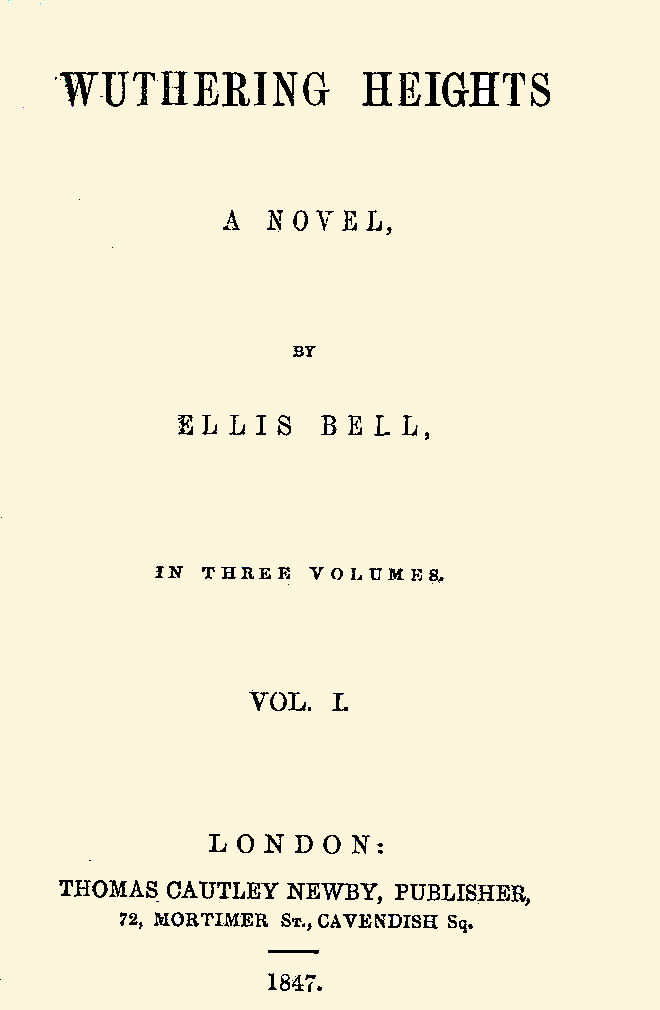
- Wuthering Heights by Emily Bronte, first edition: Store norske leksikon (public domain)


