
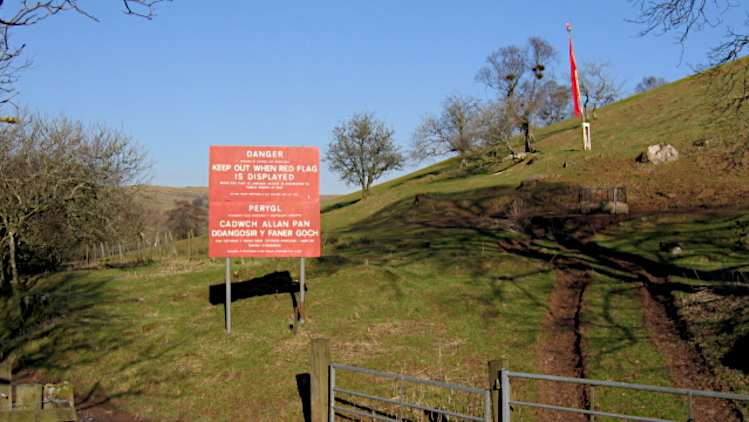
The Mynydd Epynt clearances of 1940, when a Welsh mountain community was evicted to make way for a military training ground, inspired Luisa A Jones’s latest book, Before the Mountain Falls. Here she talks about turning history into fiction: how she researched, what she kept, the historical novelist’s responsibility to the past.
In the spring of 1940, an entire community in Mid Wales was destroyed when 54 farms on the mountain of Mynydd Epynt were evicted and 30,000 acres of its fertile, productive agricultural land taken over for military use.
The people of Epynt lost their rootedness and priceless aspects of their cultural heritage when they were forced to leave homes in which generations of family members had been born, lived and died.
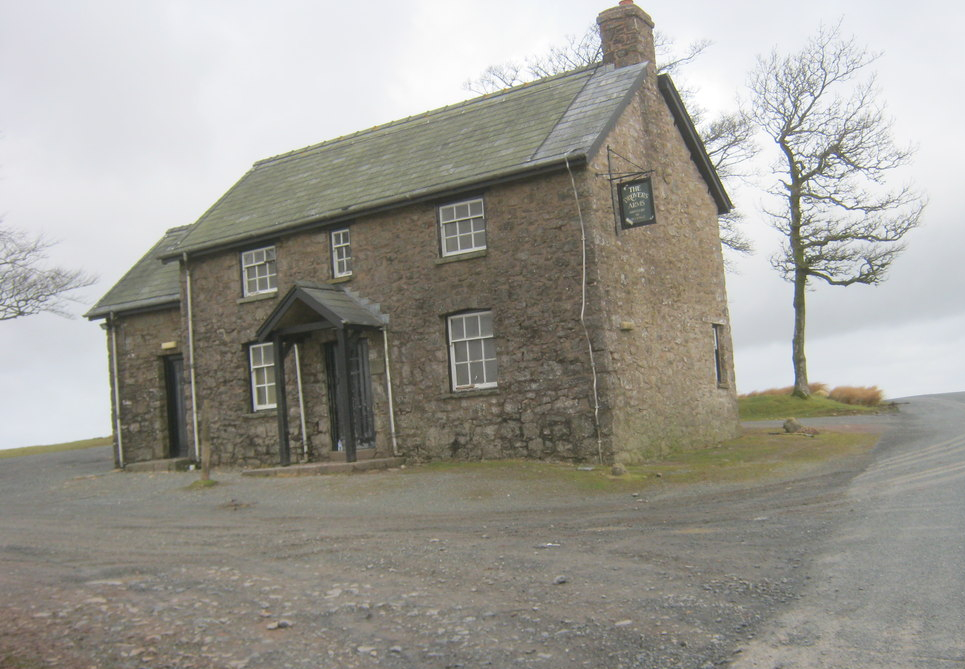
Permitted only weeks to relocate, the families were severed from neighbours with whom they shared a profound bond. They lost their places of worship, primary school and pub. They lost their livelihoods, and the animals they reared, which had to be hurriedly sold for whatever price they could get.
Their knowledge of the land, its rhythms and its needs, was rendered worthless by the stroke of an administrator’s pen in far-away London.
As many were tenant farmers and shepherds, not landowners, they received little or no compensation. There was no consultation, and those who asked what would happen if they refused to move out were told they would be thrown out onto the road.
Many had to move to places where their mother tongue, crucial to their heritage and identity, was not widely spoken. This chwalfa (meaning in English a shattering, dispersal, or disintegration) was a severe blow to a precious culture, and to a way of life. One elderly woman said that being forced to move was “the end of the world”. So great was their grief, some died soon after being evicted.
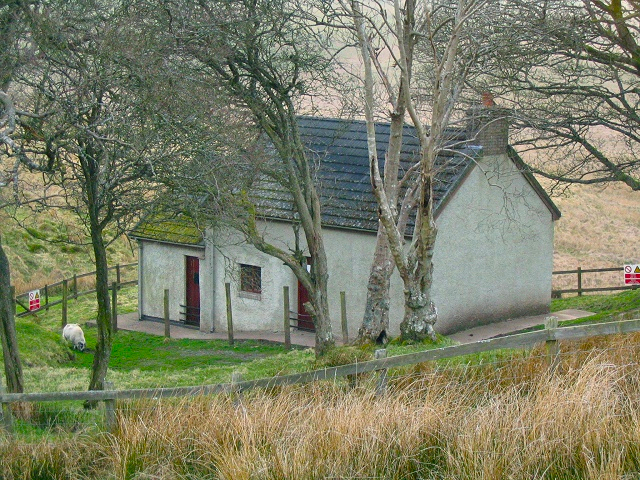
Many of the farmers believed the land would be returned to them at the end of the war, which few could have imagined would drag on for six long years. Sadly, this was not to be. Nearly 90 years later, the mountain is still owned and used by the British military.
Blending fact with fiction
In my novel Before the Mountain Falls I took inspiration for my fictional mountain, Moel Carnau, from these shattering evictions during the Second World War.
I made the decision not to keep strictly to the historical timeline, knowing that absolute chronological precision must come second to emotional resonance when aiming for authenticity in historical fiction. I brought the events forward by six months to fit the timeline of events in my main character’s story. This enabled me to create a heightened sense of emotion and drama during the novel’s climactic scenes.
My description in the book of the arrival of an army officer in a Hillman Minx to check his list of farms was based on true events from September 1939. In real life, the locals laughed at the officer’s attempts to pronounce Welsh names; sadly, their laughter would turn to tears a few months later, when letters giving notice of eviction arrived.
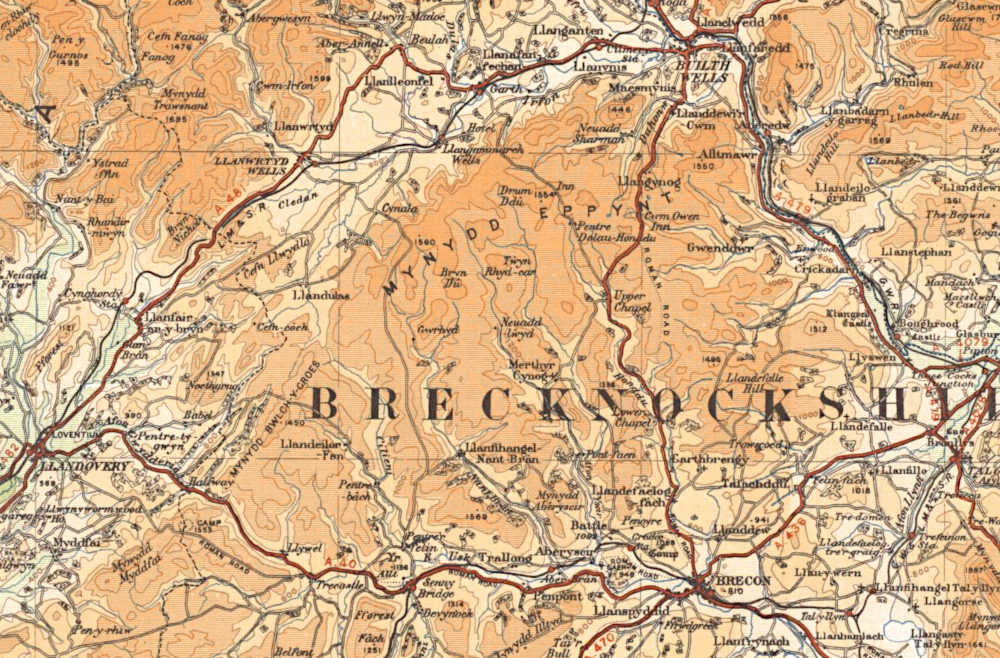
As part of my research, I attended a Christmas Plygain service at St Teilo’s Church in the St Fagans National Museum of History, which enabled me to immerse myself in the atmosphere of the choral singing, the light on singers’ faces, and the frigid air creeping into my bones as I sat on the hard church pew soaking it all in.
In my novel, farmers cross the mountain with their lanterns during the hours before dawn on Christmas Day to sing in the local chapel, knowing it might be their last such celebration. This is based on the events of December 1939, when the community of Epynt gathered at Babell Chapel as their forebears had done for centuries.
Local woman Mrs Annie Mary Williams’s memories are quoted in Herbert Hughes’s book An Uprooted Community: A History of Epynt: “On Christmas morning, I would wake at 5.00am in order to heat and light the chapel in the forbidding darkness. I would be a little nervous on that morning… but I used to enjoy the Plygain (the dawn Christmas service) greatly.
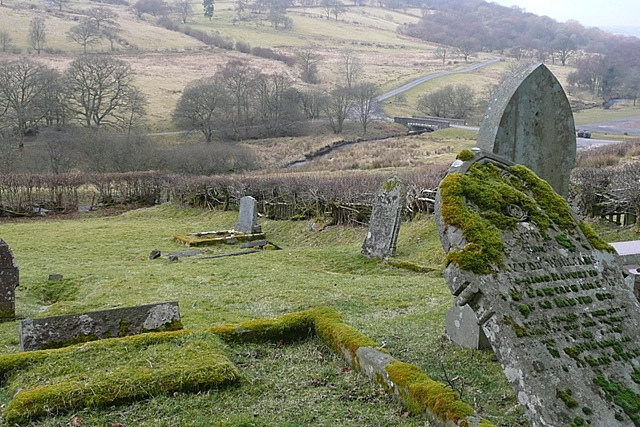
“Four or five of the elders would read and pray and the singing of carols would be marvellous — at six in the morning! It was wonderful to see the lights approaching from every direction, with an occasional flash here and there as people searched for the wooden bridges to cross the brooks and the river.”
Adapting these real events for inclusion in my novel enabled me to be truthful to the spirit of the history, and to include sensory details which I hope bring the scenes to life for my readers.
The historical impact and the novelist’s responsibility
Mynydd Epynt wasn’t the only land requisitioned for military use between 1938-1940. Over 6,000 acres in Scotland and nearly 57,000 acres in England were also taken over at that time. However, the much smaller country of Wales lost 70,000 acres in the same period. Consequently, Welsh Nationalists felt that the impact on the country was disproportionately brutal.
When, in the 1950s and 60s, plans were drawn up to flood the village of Capel Celyn in the valley of Tryweryn to provide drinking water for Liverpool, many people in Wales felt enough was enough.
.jpg)
“Cofiwch Dryweryn” (Remember Tryweryn) became a rallying call for those who recognised the need to preserve Welsh language and culture, and to press for the people of Wales to have more control over the fate of their own country.
Decades of political protest resulted in the establishment of the Senedd (Welsh parliament). Today, concerted efforts are being made to revitalise the Welsh language, which was dealt a terrible blow by the dispersal of communities like those of Capel Celyn and Mynydd Epynt.
One of the joys of writing historical fiction is being able to raise awareness of stories from the past which receive little attention, but which deserve to be told.
I was born and brought up in Wales, but grew up unable to speak Welsh, with little awareness of Welsh history. Therefore, writing about Epynt and other little-known events from Welsh history is a way to reclaim the Welsh culture and identity that was denied me in my education.
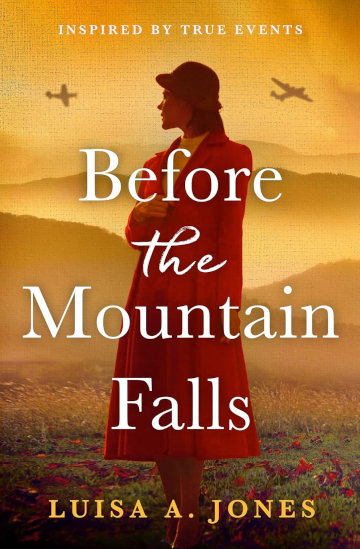
Before the Mountain Falls by Luisa A Jones is published on 19 March, 2026.
See more about this book.
Further reading:
Plygain
Prosiect Epynt Teaching Handbook
NationCymru
Luisa A Jones is a Welsh author of historical and contemporary fiction. All her books are at least partly set in Wales.
You may also be interested in:
The magic and science of 18th-century Wales by Susan Stokes-Chapman
The wizards of west Wales by Alis Hawkins
Historia’s interview with Alis Hawkins in which she talks about life in 19th-century Wales
And, on the better-known Highland Clearances: Famine, clearance and the inspiration for a novel by Willie Orr
Images:
- No Go Area, the sign at the entrance to the Sennybridge military training area: Dave Pinniger for Geograph (CC BY-SA 2.0)
- The Drover’s Arms next to the next to the B4519: peter robinson for Geograph (CC BY-SA 2.0)
- House at Ffrwd-wen on Epynt mountain: Nigel Davies for Geograph (CC BY-SA 2.0)
- Detail from OS Quarter Inch to the Mile Maps, 3rd edition, 1919–1930, Sheet 7A — South Wales: National Library of Scotland (CC-BY)
- Graves at the site of Babell chapel: Graham Horn for Geograph (CC BY-SA 2.0)
- Cofiwch Dryweryn: Hefin Owen for Wikimedia (CC BY-SA 2.0)


