
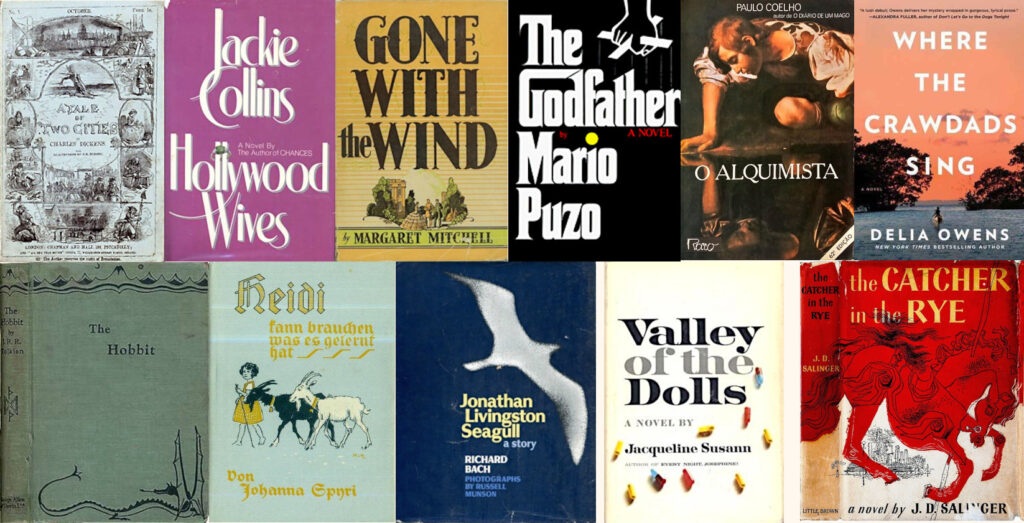
Gill Paul, herself a bestselling author, looks at how top-selling books mirrored the times they were published in. They weren’t only contemporary, either; historical fiction and fantasy are high on the list, perhaps not surprisingly to those who know the genres. Gill’s latest novel, Scandalous Women, is about the authors of two of these bestsellers.
Some of the bestselling books of all time reflected the anxieties of the ages in which they were published. Even the ones with historical settings still captured the zeitgeist of the year of publication. Here are 12 examples, in order of sales figures, with apologies for the shameless bias.
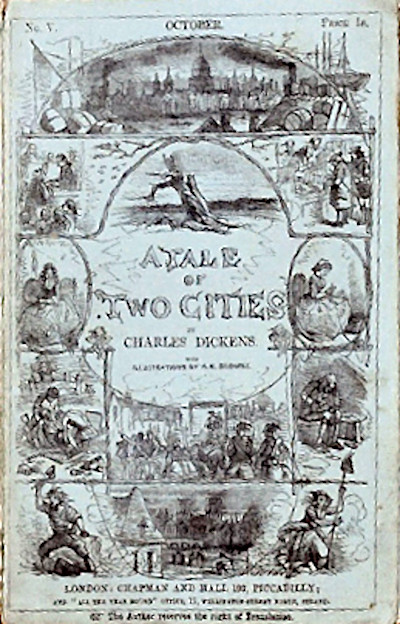
A Tale of Two Cities, 1859, over 200 million copies sold
Dickens was writing about the French Revolution 70 years earlier, but revolution was in the air after the Chartist protests of the 1830s–40s in Britain and the Europe-wide revolutions of 1848–9. It’s quintessentially Dickens: class, rich versus poor, oppressed versus oppressors. Does it deserve to be the bestselling Dickens novel of all time? Debatable.
The Alchemist, 1988, 150 million copies sold
The year after Michael Douglas declared “Greed is good” in the movie Wall Street, when Communist governments were beginning to topple, the AIDs epidemic was killing hundreds of thousands worldwide, and viruses were attacking computers… along came this fable by Paolo Coelho about a shepherd boy who sets out on a quest for worldly riches and ends up learning deeper lessons about the universe.
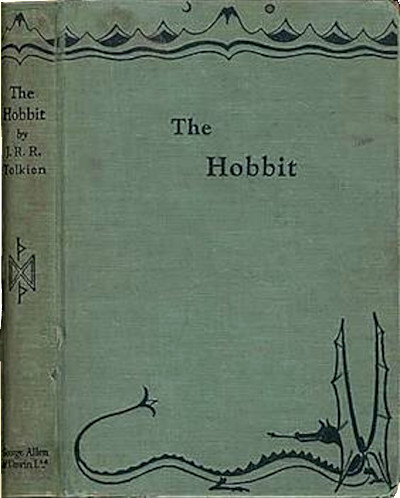
The Hobbit, 1937, 100 million
Hitler was in power and the world was sliding towards another world war when Tolkien wrote this story in which Bilbo Baggins is torn from his home and thrown into dangerous new surroundings. Dwarves are a marginalised people trying to cling to the old ways, while being uprooted by evil forces. Ring any bells? It was written as a children’s book but the subtext is obvious.
Catcher in the Rye, 1951, 65 million
Their parents were still traumatised by the Second World War and fearful of the Cold War sparking nuclear Armageddon, but 1950s teenagers wanted rock ‘n’ roll and movies and freedom. JD Salinger’s novel was banned by many American schools and wasn’t an immediate bestseller, but his portrayal of the angst and alienation of teenager Holden Caulfield struck a chord that resonated through subsequent decades.
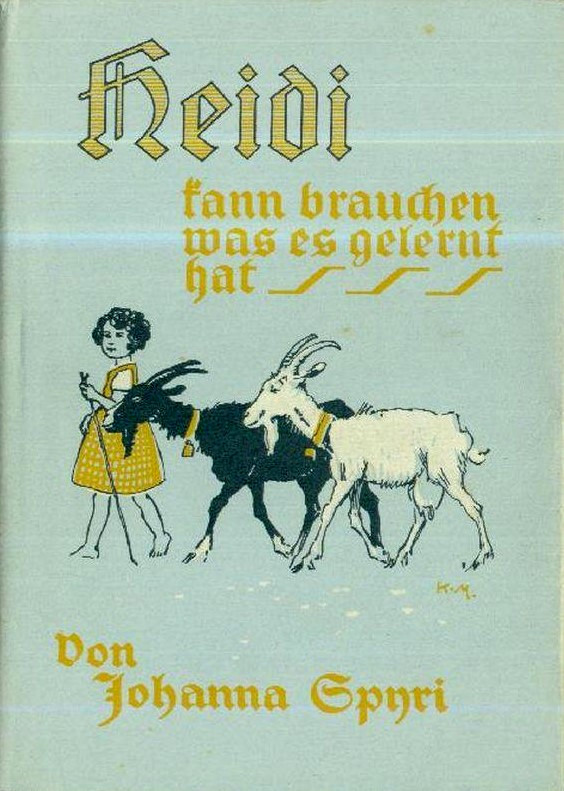
Heidi, 1880, 50 million
During a time of mass migration, from Europe to America, and from countryside to city, it’s not surprising that Johanna Spyri‘s story of a young girl being forced to leave her alpine home and move to Frankfurt was such a hit. When I was eight, I sobbed over descriptions of Heidi’s homesickness; re-reading as an adult, I’d forgotten how much religion it contained.
Jonathan Livingston Seagull, 1970, 44 million
Just as the hippy movement mutated into the New Age movement, and Nixon was starting to withdraw American troops from Vietnam, along came this short parable by Richard Bach about a seagull trying to achieve perfect flight. It was a self-help book with a spiritual message about freedom, self-expression, and a higher consciousness. Buddhism with birds, basically.
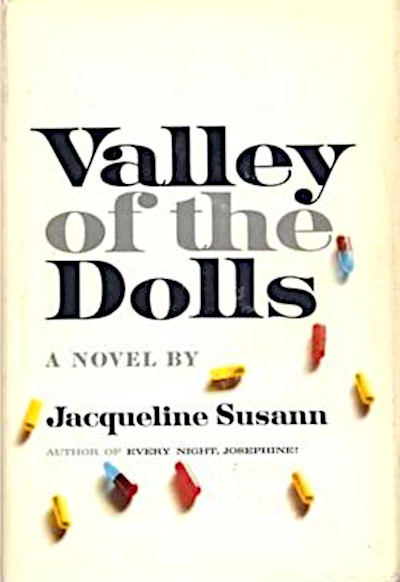
Valley of the Dolls, 1966, 31 million
Jacqueline Susann tapped into the 60s zeitgeist with her gossipy blockbuster about showbiz folk sleeping around and taking too many ‘dolls’ (prescription pills). She realised there was a market for an entertaining read that didn’t have literary pretensions, while addressing concerns of the age, like addiction, toxic celebrity, and the vulnerability of sexually liberated women.
Gone With the Wind, 1936, 30 million
Set during and just after the American Civil War, Margaret Mitchell‘s doorstop novel was about surviving adversity, a theme readers lapped up as the country emerged from the Great Depression. Contemporary critics might complain about her romanticizing of the antebellum South and attitudes to racism, but it won the Pulitzer and the film gave it iconic status.
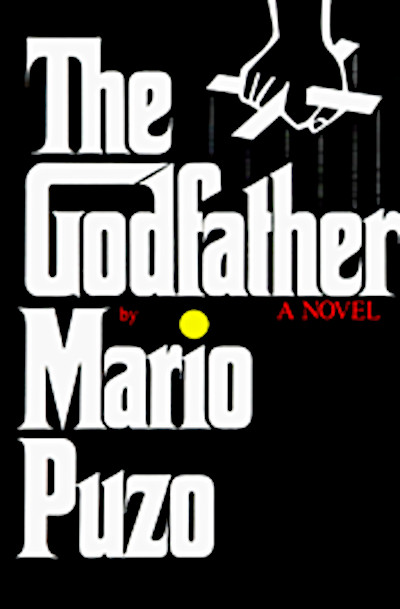
The Godfather, 1969, 21 million
Crime rates rose rapidly during the 1960s, especially violent crimes committed by strangers, so perhaps there was an urge to understand what was driving the statistics. Awareness of the Mafia was growing, with prominent trials described in the press, like the crucial one in 1963 when Joe Valachi turned state’s evidence and gave insight into the inner workings of the clan. Subsequently, Mario Puzo‘s novel was commissioned on the idea alone.
Where the Crawdads Sing, 2018 – 18 million
Delia Owens‘s story of a girl struggling to survive on her own in the wilderness struck a chord in an era when we are all connected 24/7 through social media and technology. Although there’s a murder at the heart of the novel, it harked back to a more innocent time (the 1950s and 60s) and the wild swampland of North Carolina. Perhaps we yearn for remoteness, and for a simpler life, before global warming began to destroy such natural environments.
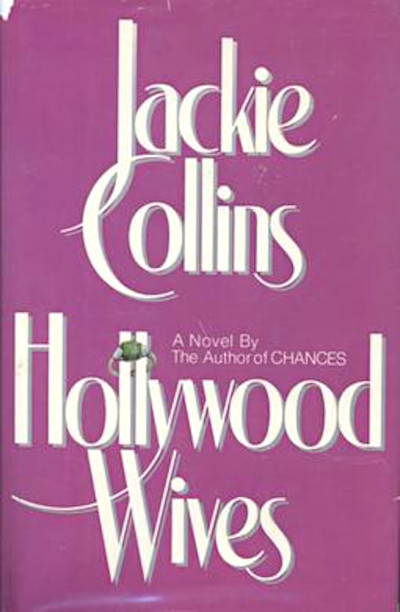
Hollywood Wives, 1983, over 15 million
This paean to 80s consumerism was Jackie Collins‘s first novel to reach the top of the New York Times bestseller list. It features Yves Saint-Laurent clothes, Tiffany diamonds, Charles Jourdan heels, and silicone implants. Get the look right and you too could marry a Hollywood mogul – or even become one yourself, because Jackie’s women usually end up on top.
Scandalous Women, 2024, sales not yet known
Set in the misogynist world of 60s publishing, and starring Jacqueline Susann and Jackie Collins (see above), this novel by Gill Paul reminds us of the realities of sexism back then. It comes at a time when toxic male influencers are gaining a hold over many young men’s minds, domestic violence is increasing, and certain groups are advocating that “women’s place is in the home and bearing children”. It’s also got some tips on how to create a bestseller!

Scandalous Women by Gill Paul is published on 29 August, 2024.
It’s published by Avon Books in the UK, and (on 13 August) by William Morrow in the US.
Read more about this book.
Gill has written a number of other features linked to her books which you may enjoy, including:
Businesswomen through the ages
The Twenties, then and now
The politics of Tutankhamun’s tomb
My problems writing about Jackie Kennedy and Maria Callas
Stockholm Syndrome in Ekaterinburg?
Images:
- Montage by the editor
- A Tale of Two Cities by Charles Dickens, first UK edition, 1859: Wikimedia (public domain)
- The Hobbit by JRR Tolkien, first UK edition, 1937: Wikimedia (illustrative purposes)
- Heidi by Johanna Spyri, German edition, 1932: Wikimedia (public domain)
- Valley of the Dolls by Jacqueline Susann, first US edition, 1966: Wikimedia (illustrative purposes)
- The Godfather by Mario Puzo, first US edition, 1969: Wikimedia (illustrative purposes)
- Hollywood Wives by Jackie Collins, first US edition, 1983: Wikimedia (illustrative purposes)


